RC
Richin Christ

Master automotive design with AI-powered tools and technologies through hands-on, industry-focused learning. Develop expertise in vehicle design, digital modelling, design workflows, and AI applications to create innovative automotive solutions and build a future-ready career in the automotive industry.

Why this course
The automotive industry is evolving rapidly, and the future belongs to designers who can combine creativity, engineering, and AI. The Executive Diploma in Automotive Design with AI helps you build the skills to turn innovative ideas into practical vehicle concepts. Learn automotive design fundamentals, 3D modelling, digital design tools, and AI-assisted workflows that support smarter, more efficient product development. Gain hands-on experience, strengthen your technical knowledge, and understand how modern vehicles are designed and developed. Whether you're starting your career or looking to upgrade your skills, this course can help you explore opportunities in automotive design, CAD engineering, product development, and future mobility. Take the next step toward designing the vehicles of tomorrow.

Explore career paths in automotive design, CAD engineering, EV development, and 3D modelling. Build practical skills with AI-powered tools to prepare for opportunities in the evolving automotive and mobility industries.
₹ 3.5 LPA
Starting CTC
5+
Industries
6+
Career Roles
Roles our graduates step into
A typical career path
Year 0-1
Launch Your Career
1–3 Years
Build Skills
3–5 Years
Specialise
What you'll learn
Introduces learners to automotive engineering principles, vehicle architecture, component functions and the vehicle product development lifecycle.
Topics covered
Practical outcome
Learners will be able to understand vehicle architecture, identify major automotive components, and prepare a basic vehicle packaging layout.
Introduction to CATIA modelling, surface design, assemblies, and AI-assisted automotive design workflows.
Topics covered
Practical outcome
Learners will be able to create 3D automotive components, assemblies, and engineering drawings using CATIA.
Covers automotive body structures, sheet-metal components, reinforcements, and assembly design.
Topics covered
Practical outcome
Learners will be able to model basic BIW components and prepare assembly drawings.
Focuses on designing automotive plastic components for vehicle interiors and exteriors.
Topics covered
Practical outcome
Learners will be able to design basic automotive plastic components with essential manufacturing features.
Introduces automotive wiring harness routing, connector placement, and electrical packaging.
Topics covered
Practical outcome
Learners will be able to develop basic wiring harness layouts and prepare supporting documentation.
Covers CAD model reconstruction and modification using existing component geometry or reference data.
Topics covered
Practical outcome
Learners will be able to reconstruct basic automotive components as 3D CAD models from reference data.
Introduces simulation techniques for evaluating the structural performance of automotive components.
Topics covered
Practical outcome
Learners will be able to perform basic structural analysis and interpret simulation results using suitable CAE software.
Introduces airflow analysis and aerodynamic performance evaluation for vehicle design.
Topics covered
Practical outcome
Learners will be able to understand basic vehicle airflow patterns and interpret introductory CFD results.
Introduces vehicle crashworthiness, impact behaviour, and simulation-based safety evaluation.
Topics covered
Practical outcome
Learners will be able to interpret basic crash simulation results and identify potential structural improvement areas.
Course at a glance
Institute credentials
ISO 9001:2015 certified quality education
Lifetime alumni support — doubts cleared even after course completion
Placement assistance
Explore career opportunities as an Automotive Design Engineer, CAD Engineer, 3D Modelling Specialist, or Product Development Engineer. Build industry-relevant skills to pursue opportunities across automotive, EV, and mobility sectors.
₹ 3.5 LPA
Starting CTC
11
Career Roles
AI-Powered
Design Workflow


Student success stories
Learning experience
Instructor-led sessions
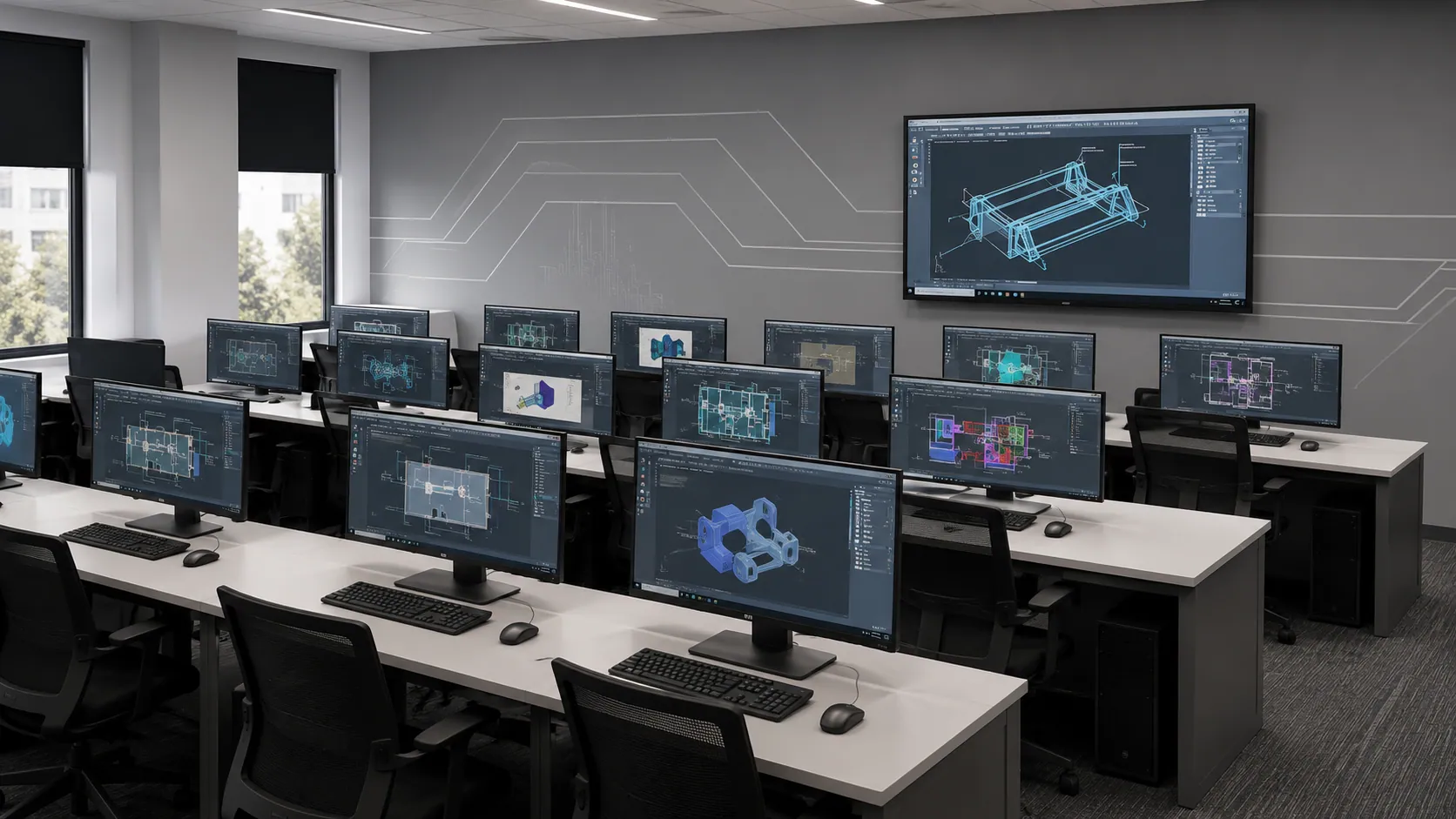
Classroom and live online with industry practitioners
Hands-on lab access
Licensed industry software, full lab hours included
Real-world projects
Assignments modelled on actual industry briefs
Portfolio development
Build a job-ready portfolio with placement team support
Certification & interview prep
Learn skills, build projects, and get hired!


Frequently asked questions
Still have questions?
We're here to help you.
Yes, automotive CAD and simulation skills can be relevant to electric vehicle development, component design and vehicle engineering. Additional EV-specific knowledge may be needed for certain roles, depending on the employer.
You’ll learn CATIA for automotive CAD modelling, including part design, surface modelling, assemblies and drafting. The programme also introduces CAE, FEA and CFD workflows, along with AI integration in the design process.
Not necessarily. The course covers automotive fundamentals and progresses into more advanced design and simulation topics. A genuine interest in engineering and willingness to practise will help you get the most out of the programme.
If you’re interested in how cars are designed, developed and tested, this course helps you explore the complete automotive product development process. You’ll learn CAD modelling, automotive component design, engineering simulation and AI-supported design workflows through practical learning.
The skills you develop in CAD modelling, component design and simulation can be relevant to automotive and EV development. Specific job opportunities will depend on the role, your engineering background and the additional skills employers require.
Depending on your qualifications and practical skills, you can explore roles such as Automotive CAD Designer, Junior Automotive Design Engineer, BIW Design Engineer, Plastic Trim Design Engineer, CAE Engineer or Vehicle Development Engineer.
AI can assist with design ideation, modelling workflows and design improvements. You’ll learn how AI-supported methods fit into automotive engineering while developing the CAD and engineering knowledge needed to understand and evaluate designs.
The curriculum includes CATIA for automotive design, along with AI-integrated design workflows and engineering simulation topics. You’ll also explore tools and methods relevant to component modelling, assemblies and design validation.
This course is suitable for mechanical and automobile engineering students, graduates, working professionals and learners looking to build skills in automotive design and product development. Your background and eligibility can be discussed with our course team.
If you’ve ever wondered how a car’s components are designed and tested before manufacturing, this course helps you explore that process. You’ll learn automotive design fundamentals, CAD modelling, engineering simulation and how AI can support modern design workflows.
Talk to a counsellor, download the full curriculum, or book a free demo class — we'll help you take the right first step.
Free. No obligation. Available Mon–Sat, 10 AM–8 PM.
Executive Diploma in Automotive Design with AI